GOING INWARD

Give yourself a few minutes to pause, notice, and begin again.

You do not need an empty mind or a perfect morning routine. Start with a short written practice, explore reflection or prayer if it fits your beliefs, and find an approach you can return to.

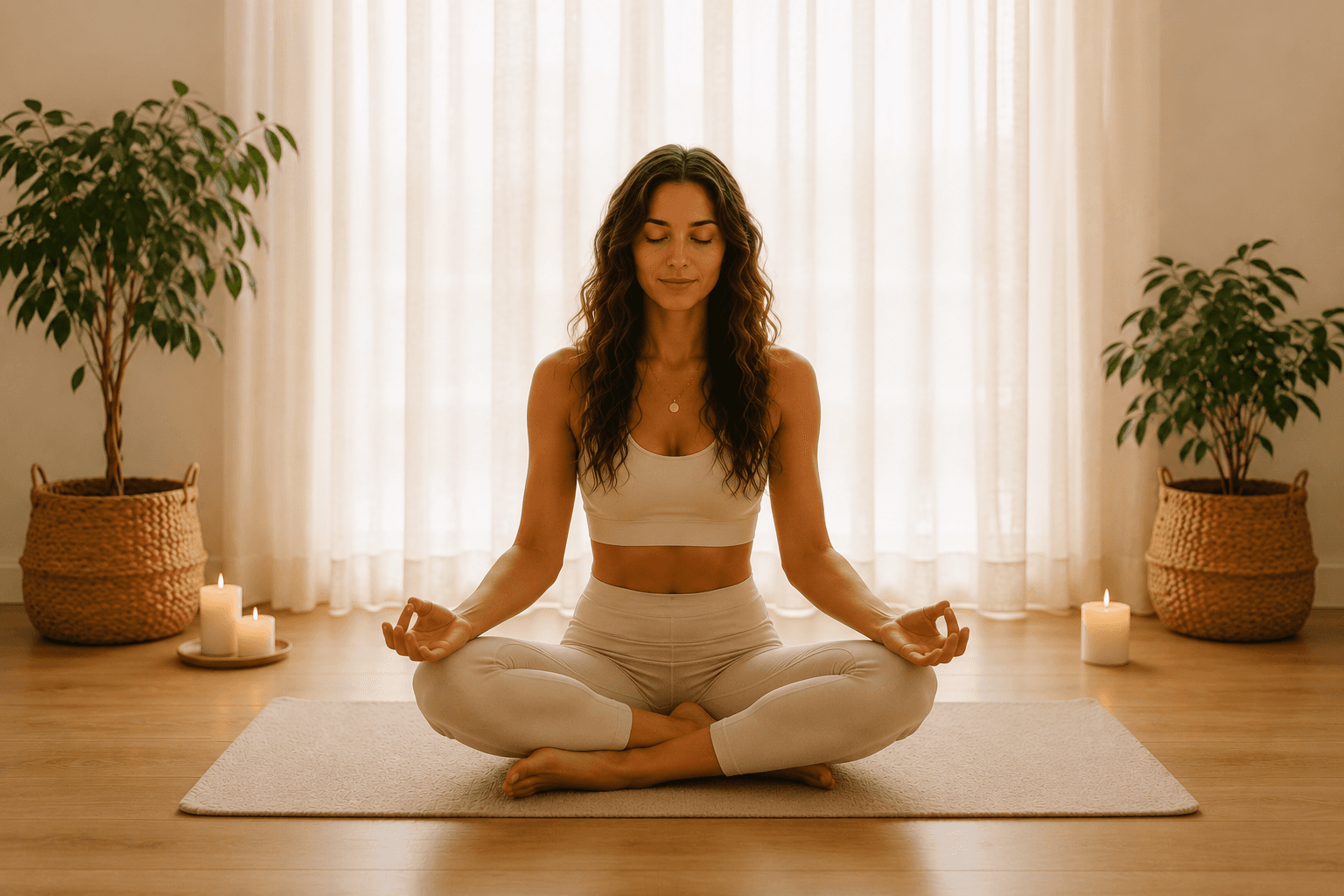
A peaceful woman in warm light reflecting quietly with a calm, grounded expression.

FREE WRITTEN PRACTICES

Start with a few minutes you can actually use.

Read the steps once, then try the practice at your own pace. These are written exercises, with no audio or equipment required.

Keep your eyes open, change your focus, or stop if a practice increases distress. If that keeps happening, seek guidance from a qualified professional rather than pushing through.

About 2 minutes

Two-minute arrival

For the moment when you have finished one task but your attention is already running through the next twelve. Practice noticing where you are before choosing what comes next.

  1. Set a gentle two-minute timer if you want one. Sit or stand comfortably with support. Keep your eyes open or lower your gaze. Nothing needs to look impressive.
  2. Notice where your feet meet the floor or where your body meets the chair. Pick one ordinary sound in the room. Let it be something you hear without needing to explain it.
  3. Choose that sound or the feeling of contact as your focus. When a thought pulls you away, silently say 'thinking' and return. The shopping list is allowed to exist without being completed during these two minutes.
  4. When the timer ends, look around and name one task you are choosing next. Begin it at your usual pace.

Afterward

What held your attention most comfortably: sound, contact, or something else? Use that option next time.

Read more about this practice

About 5 minutes

Five minutes of returning

An introductory attention practice for a busy mind. The exercise is returning when you notice you have wandered; a perfectly empty mind is not the assignment.

  1. Choose a comfortable seat and set a five-minute timer. Keep your eyes open if you prefer. Notice the room before turning your attention inward.
  2. Let your breathing keep its natural pace. Notice a comfortable part of a breath, such as air near your nose. Do not hold your breath or try to make it unusually deep. If breath awareness feels uncomfortable, use a sound or the feeling of your feet instead.
  3. When you notice planning, remembering, or judging the exercise, acknowledge it briefly. Then return to your chosen focus. You may do this many times.
  4. For the final few moments, notice the room again. Move your hands or feet if you want to, and finish without scoring the session.

Afterward

Was this length comfortable? Write one adjustment for next time: a shorter practice, open eyes, or a different focus.

Read more about this practice

About 5 minutes

An evening reflection

A quiet way to close the day, with room for spiritual reflection if that is meaningful to you. This is not a sleep treatment or a promise that your mind will switch off on command.

  1. Keep paper nearby. Write down one unfinished task and the next reasonable time you could address it. Let the note hold the reminder for now.
  2. Sit comfortably and notice your surroundings. Let your breathing remain natural. Name one thing that took effort today and one thing you want to acknowledge.
  3. Choose a short phrase such as 'I can return to this tomorrow.' Repeat it a few times, leaving space between repetitions. You can use a familiar prayer instead if it fits your beliefs.
  4. Choose an ordinary next step: put away the notebook, lower the lights, or read a page. Finish the reflection without checking whether you feel calm enough.

Afterward

What belongs on tomorrow's list, and what can you leave alone tonight? A short answer is enough.

Read more about this practice

Common-Sense Articles First

Browse all articles

Supportive reading

Does Meditation Help the Body Heal?

Meditation can support healing by lowering internal stress load, helping the nervous system settle, improving sleep readiness, and making the body easier to work with instead of harder to live in.

Read article

Supportive reading

How Do I Start Meditating If 5 Minutes Is All I Can Do?

Five minutes is plenty to start. Here is a simple five-minute meditation script, what the research says about short practice, tips for a busy mind, and how to make it a habit.

Read article

Supportive reading

The Way You Feel Right Now Has to Hurt More Than the Change You're Avoiding

Waiting to feel motivated is the trap. Real change usually starts when you tally what staying the same costs you, then take a first step so small it is almost embarrassing. Here is the exercise, the science of why action comes before motivation, and a 10-minute start.

Read article

Supportive reading

Why Do I Feel Numb but Overwhelmed?

Feeling flat and swamped at the same time is confusing, but it is a recognized pattern: the nervous system shuts the volume down when there is too much. Here is what is happening, grounding steps you can use today, and the signs that it is time for professional help.

Read article

Supportive reading

Why Do I Feel Disconnected From Myself Lately?

When you cannot remember what you like, want, or feel, you are usually running on roles and routines. Here is why that happens, a 20-minute reconnect exercise, small daily practices, and when disconnection is a sign to talk to a professional.

Read article

Supportive reading

Why Do I Feel Emotionally Heavy All the Time?

Feeling emotionally heavy all the time can reflect chronic stress, poor recovery, spiritual disconnection, grief, overstimulation, and a body that has been carrying too much for too long.

Read article

Supportive reading

How Do I Stop Feeling So Spiritually Drained?

When you feel empty inside, not just tired, you are often running on obligation and starving the things that fill you. Here is what spiritual depletion looks like, a simple way to find what refills you, and small daily practices that rebuild it.

Read article

Supportive reading

How Do I Feel Safe in My Body Again?

When your body feels like an unsafe place, from chronic stress, illness, or trauma, you can rebuild trust gradually. Here are body-based steps that work in small doses, what to avoid pushing, and when you need a trauma-informed professional.

Read article

Supportive reading

Why Do I Need So Much Quiet Lately?

Craving silence is not rude and it is not always introversion. Sometimes it is a body asking to recover. Here is how to tell healthy recovery quiet from withdrawal, three kinds of quiet to build in, and how to ask for it without guilt.

Read article

Supportive reading

Why Am I So Overstimulated All the Time?

Feeling overstimulated all the time can be tied to chronic stress, poor sleep, perimenopause, too much noise and input, caffeine overload, under-recovery, and a nervous system that never fully settles.

Read article

Free Guide

How To Feel More Peaceful In Your Body

Start here if you need a simple way to practice stillness, calm your body, and stop waiting to feel motivated before you change something.

Open the peace guide

Free Tracker

Inner Safety Pattern Tracker

Use this when you need proof of the pattern between stress, sleep, food, symptoms, emotional heaviness, and the habits keeping your body on edge.

Open the inner safety tracker

Paid Reset

From Overwhelmed to Regulated

This is the deeper next step when survival mode, overwhelm, and body symptoms are feeding each other and you are ready to interrupt the pattern with structure.

Explore the deeper reset

PRACTICAL NEXT STEPS

10 small inward shifts that can change how your day feels.

  1. Wake up and give your body quiet before you give the world your attention.
  2. Take 5 minutes before bed to sit still instead of saying you will start later.
  3. Write one honest page about what is draining you instead of performing that you are fine.
  4. Pair prayer, breathwork, or reflection with a slow walk outside.
  5. Name what your body has been carrying instead of bulldozing past it.
  6. Turn one meal into a slower, screen-free moment so your body can come down.
  7. Cut one nightly habit that keeps your mind noisy and your body wired.
  8. Notice what drains peace and stop acting surprised when it drains you again.
  9. Choose one boundary that protects your energy even if it disappoints someone.
  10. Build a short evening ritual you can return to without needing to perform calm.

WHAT FEELS RIGHT?

Choose the peace guide

If you want a gentle place to begin with stillness, reflection, and calmer rhythm.

Choose the inner safety tracker

If your body feels braced, crowded, overstimulated, or hard to settle.

Choose the deeper reset

If survival mode, emotional overload, and body symptoms have been feeding each other for a while.

Choose the 15-day reset

If you want a broader bridge between habits, food, sleep, and how your body has been feeling.

View the 15-day reset

Core Foundation

Stillness

A quiet moment can make room to notice what you are experiencing. Choose a practice that feels manageable, including movement or open eyes if stillness is uncomfortable.

Core Foundation

Reflection

Reflection gives you a place to name what matters, what has been difficult, and what you want to do next. It does not explain or diagnose physical symptoms.

Core Foundation

Rhythm

Spiritual support works better when it changes the actual day: mornings, meals, stress moments, screens, and bedtime.

WHEN THIS PATH FITS

Spiritual support fits when the problem feels deeper than symptoms alone.

  • You feel emotionally heavy even when you are doing the right physical things.
  • Your body stays tense, wired, or watchful even when life looks calm on paper.
  • You know what to do for food and sleep, but something inward still feels crowded.
  • Stress hits your body hard and you cannot keep feeding chaos while expecting peace.

FAQ

Common questions about spiritual drain, overstimulation, and inner safety.

What is the best first step if I feel spiritually drained and emotionally heavy?

Usually the best first step is stillness with honesty. If your body never settles, healing gets harder, so start by reducing noise, protecting quiet, and being honest about what keeps draining peace.

Can nervous-system overload affect spiritual peace?

Yes. A body that stays overstimulated, tense, under-rested, or emotionally crowded often has a harder time accessing quiet, prayer, reflection, and steadiness.

Can 5 minutes of meditation before bed actually help?

Yes. Five minutes is enough to begin teaching your body a different rhythm. It is small, but it counts, and done consistently it is more useful than waiting for the perfect routine you never start.

How do I know whether I need the free guide, tracker, or deeper reset?

Start with the peace guide if you need calm and stillness, the inner safety tracker if you need clearer pattern insight, and the deeper reset if overload has become your baseline for a while.